Recycling and Sustainability at Fulham Cleaners
 At Fulham Cleaners, sustainability is part of how we work every day. Our approach to recycling in Fulham focuses on practical action: reducing waste, separating materials carefully, choosing better transport, and supporting local reuse networks. We aim to make our Fulham cleaning services as responsible as they are effective, with a clear target to recycle or responsibly divert 85% of our operational waste from landfill by improving sorting and collection across the business.
In a busy borough environment, waste handling is never one-size-fits-all. London boroughs increasingly expect better separation of dry mixed recyclables, food waste, paper, cardboard, glass, and residual waste, and we follow that same principle in our own operations. As part of our eco-friendly cleaning in Fulham, we keep cleaning consumables, packaging, textiles, and office waste in distinct streams so each material can be handled properly. This includes separating cardboard outer packaging from soft plastics, and sorting reusable textiles away from general waste wherever possible.
We also work with local transfer stations to keep waste moving through the right channels. Using nearby authorised facilities helps reduce unnecessary mileage and supports a more efficient route for sorting and recovery. For Fulham cleaning waste management, that means directing recyclable paper and cardboard to transfer stations that can consolidate materials for reprocessing, while non-recyclable residues are handled through licensed disposal routes. Careful transfer planning is a small detail with a big impact on the overall carbon footprint.
Smarter Sorting, Lower Impact
 A key part of our sustainability strategy in Fulham is making recycling easier at source. We keep labelled containers for different waste types and review them regularly so contamination stays low. In practical terms, that means staff are encouraged to separate bottles and cans, paper towels where appropriate, packaging films, and product containers according to local recycling rules. In areas where borough guidance emphasises waste separation, we mirror that discipline with clear internal procedures, helping materials remain suitable for recovery rather than being rejected at the sorting stage.
We also take a careful look at the products and supplies we buy. Choosing concentrated formulas, refillable containers, and recyclable packaging helps reduce single-use waste before it is even created. When possible, we favour suppliers that use recycled-content materials or take-back schemes, because sustainable cleaning is not only about what happens after a job is complete; it starts with the purchasing decision. For our Fulham cleaners team, this means fewer unnecessary deliveries and less overall packaging.
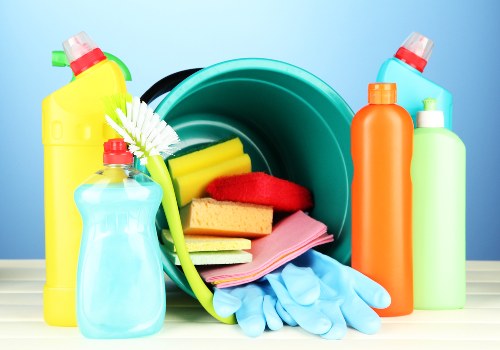 Another important part of our work is textile recycling. Towels, cloths, uniforms, and other washable items are used for as long as they remain safe and effective, then assessed for re-use, repurposing, or recycling. In some cases, old cleaning textiles can be converted into industrial rags or sent to specialist textile recovery streams. This helps us reduce the amount of general waste generated by day-to-day service operations and supports a more circular model for Fulham cleaning and recycling.
Community Partnerships and Reuse
We believe sustainability should benefit the wider community, not only our own business. That is why we support partnerships with charities and local reuse organisations that can pass on usable items to people who need them. Where suitable, gently used household textiles, containers, and serviceable equipment may be donated or routed through charity partners rather than discarded. These partnerships help extend the life of useful items and reduce pressure on the waste system, while also supporting a more responsible approach to cleaning in Fulham.
Charitable partnerships are especially valuable in a borough with many flats, shared properties, and active local services. Items that no longer suit our operational needs may still have value elsewhere, and reuse is often the highest form of recycling. We work to identify materials that can be safely passed on, and we keep quality checks in place to ensure donated goods are fit for purpose. This is part of our wider commitment to environmentally conscious cleaning and community-minded business practices.
We also keep an eye on the way local boroughs approach waste streams such as mixed recycling, food waste, and bulky item separation. That awareness helps us align our sorting habits with local expectations, improving the chance that recyclable items stay in the right stream. Whether it is flattening cardboard before collection or keeping food-contaminated materials out of paper recycling, these small actions support a more efficient system. For our Fulham cleaning company, that attention to detail is essential.
Low-Carbon Vans for Everyday Operations
 Transport is another area where we can make meaningful improvements. Our service fleet is moving toward low-carbon vans, chosen for better fuel efficiency and reduced emissions. Where suitable, we prioritise modern vehicles with lower CO2 output and improved route planning to cut unnecessary journeys. This helps us reduce the environmental cost of traveling across Fulham and neighbouring areas while maintaining a dependable service.
Our route planning is designed to avoid repeated trips, merge nearby jobs, and reduce idle time. This is a simple but effective way to support sustainable cleaning logistics. By coordinating schedules carefully, we can transport supplies, collect waste, and complete services with fewer miles on the road. Combined with thoughtful vehicle selection, this lowers our operational footprint and supports our recycling goals by making each trip more efficient.
 Looking ahead, Fulham Cleaners is committed to continuous improvement. We will keep increasing our recycling rate, refining waste separation, and deepening our links with local transfer stations and charity partners. Our target remains clear: to recycle or recover at least 85% of our operational waste through better sorting, responsible transport, and reusable supply choices. For clients who value a greener approach, our Fulham sustainability commitment offers a cleaner service with a lighter environmental impact.